Lavender, Lavender, and Lavender – Which One Should You Pick?
Lavender is the ultimate crowd-pleaser in any garden, and it’s easy to see why. Those beautiful purple flowers, the heavenly fragrance, and their versatility make them an irresistible choice for any gardener. But not all lavender varieties are created equal, and those spur-of-the-moment purchases at the garden centre might not always give you the long-term results you’re after.
Here, we’ll break down the three main types of lavender – Stoechas, Angustifolia, and Intermedia – so you can pick the perfect one for your garden. Plus, we’ll cover where to plant them, how to style them, and how to care for them to ensure they thrive for years to come.
The Lavender Trio: Key Differences
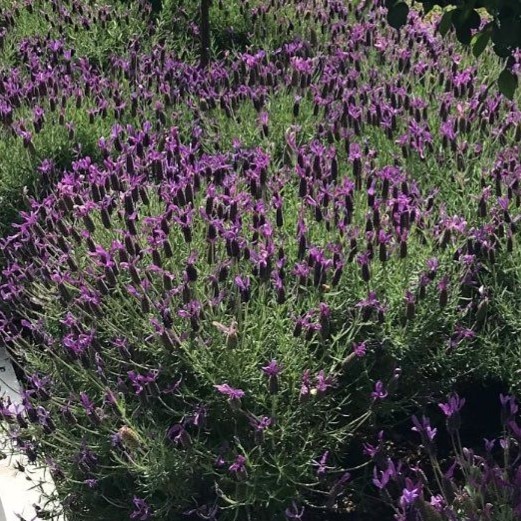
1. Stoechas (French or Spanish Lavender)
- Why You Buy It: Those eye-catching bracts that look like "rabbit ears" or butterfly wings on top of the flower spikes.
- Best Use: Perfect for pots, patio displays, or short-term impact in garden beds.
- Downside: They’re the showy impulse buy, but they often fade after a couple of years, especially in colder or wetter climates.
- Example: Lavandula stoechas 'Major
-
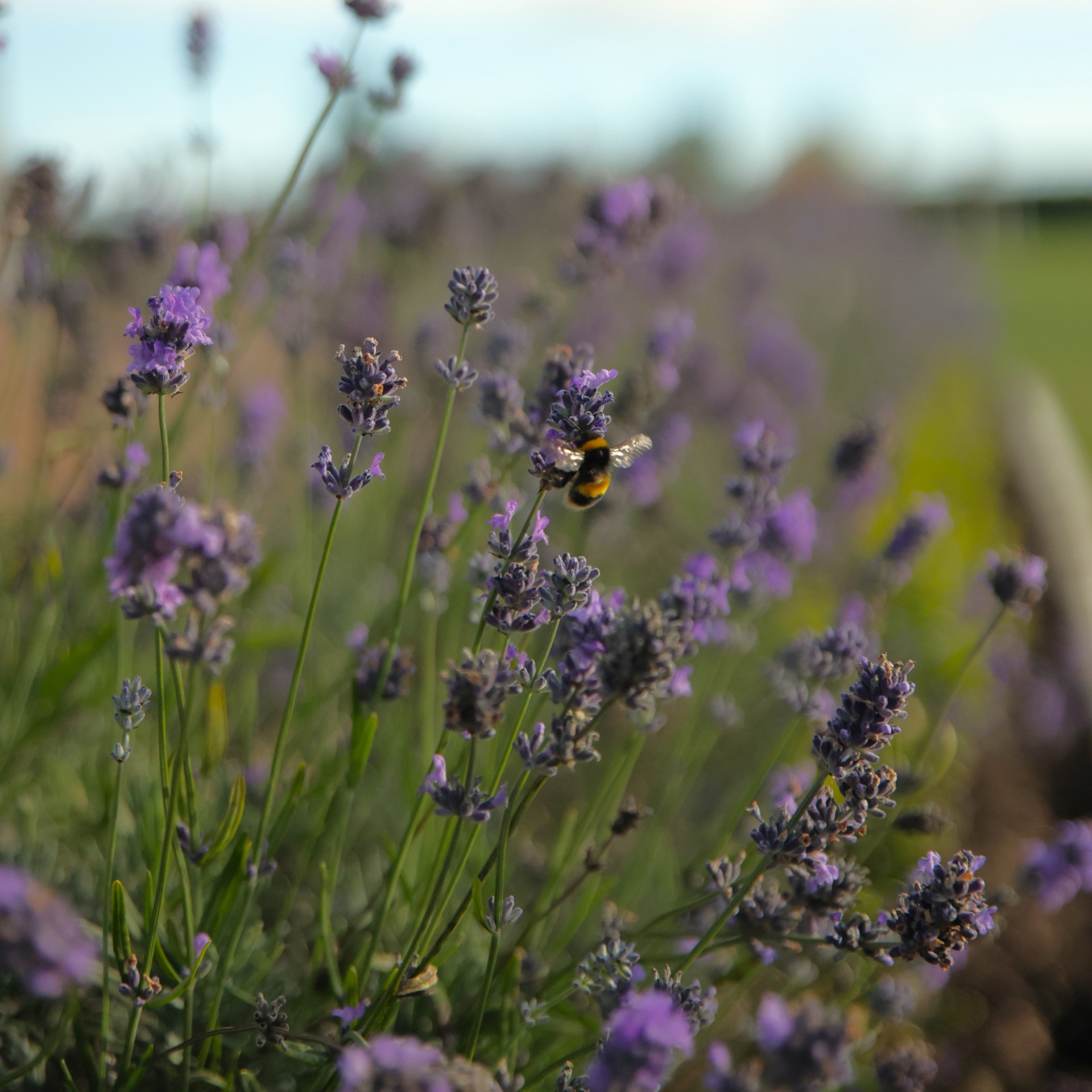
2. Angustifolia (English Lavender)
- Why It’s a Star: Hardy, long-lived, and oozing with classic lavender fragrance. Compact and neat, it’s perfect for edging, low hedges, or planting en masse.
- Key Traits: Flowers earlier than other types, and its softer, more refined look is ideal for traditional gardens.
- Example: Lavandula angustifolia 'Hidcote'
- Example: Lavander Super
-
3. Intermedia (Lavandin)
- Why It’s a Winner: A hybrid that brings vigour, taller stems, and robust flower spikes. Strongly scented and perfect for larger spaces.
- Best Feature: Flowers slightly later and thrives in hot, dry conditions. Great for making lavender oils or sachets.
- Example: Lavandula x intermedia 'Grosso'

Where to Plant Lavender for the Best Results
Garden Styles
- Classic Look: Combine lavender with white roses and buxus hedges for a timeless formal garden. This combination is perfect for pathways, borders, or around outdoor seating areas.
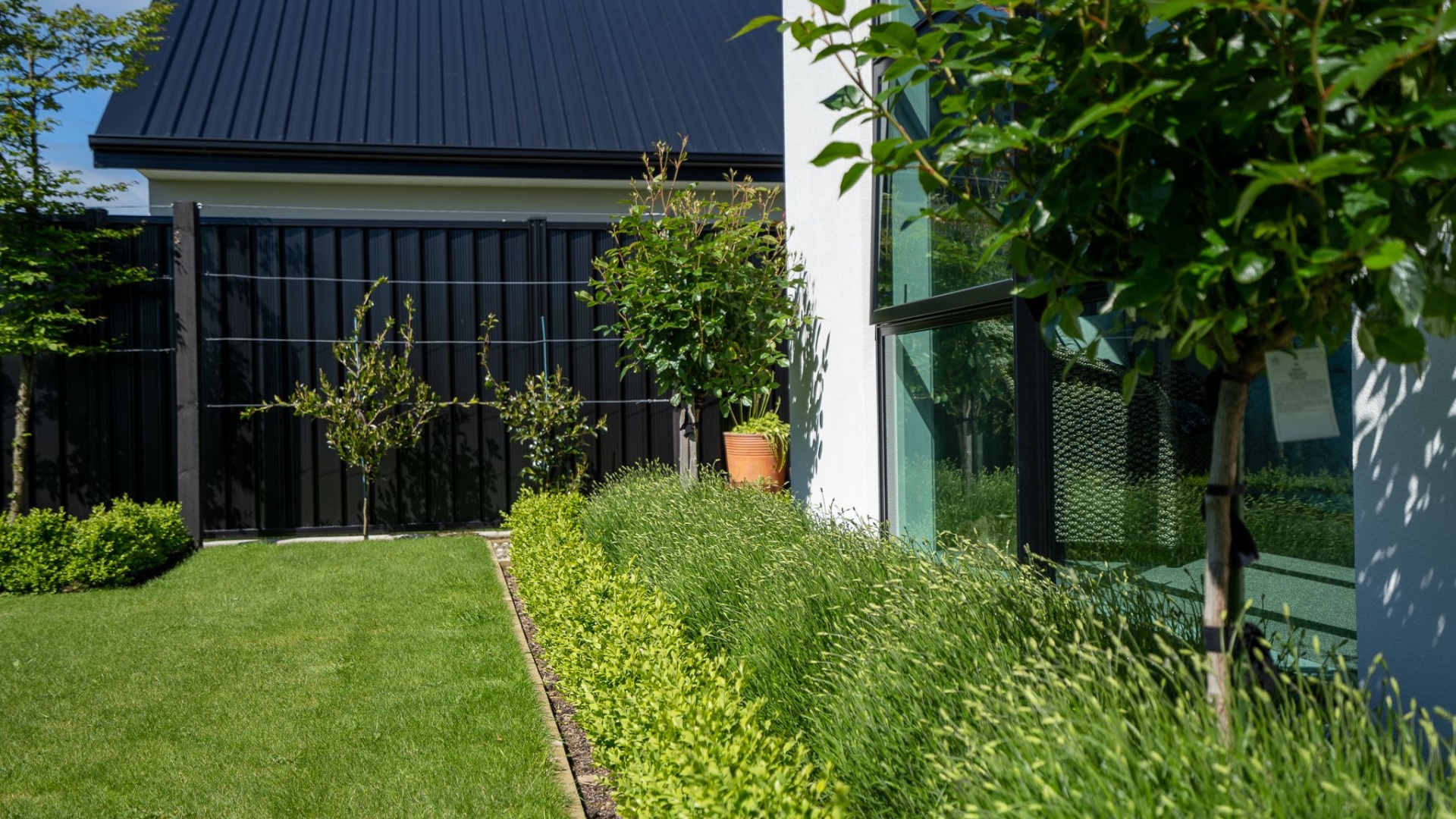
- Contemporary Gardens: Mix lavender with grasses like Miscanthus or Calamagrostis, and bold perennials like Achillea or Echinacea. The soft purple hues create a modern, naturalistic aesthetic.
- Cottage Charm: Pair with old-world favourites like catmint, foxgloves, and daisies for a whimsical, romantic vibe.
Mediterranean Flair: Combine with thyme, rosemary, and olives for a sun-soaked Mediterranean-style garden.
Planting Locations
- Sunny Spots Only: Lavender loves the sun! Aim for at least 6-8 hours of direct sunlight daily.
- Well-Drained Soil: Wet feet are a no-go. If your soil is heavy or clay-based, plant on a mound or add grit to improve drainage.
Care Tips to Keep Your Lavender Thriving
1. Watering
-
Lavender is drought-tolerant once established but hates being waterlogged. Water young plants regularly until their roots are well-formed, then cut back to occasional deep watering during dry spells.
2. Pruning – The Secret to Long-Lasting Plants
- Golden Rule: Cut back, cut back, cut back!
- As soon as your Angustifolias or Intermedias are in full flower, grab your shears and cut off the flower spikes. Yes, it feels wrong, but this encourages a fresh flush of growth and another round of flowers later in the season.
- In autumn, after the final flush, trim back by about a third to maintain the plant’s neat shape. Avoid cutting into old wood, as lavender struggles to regenerate from that.
3. Feeding and Soil
-
Lavender doesn’t need much fertiliser. In fact, too much can result in weak, floppy growth. A sprinkle of compost or slow-release fertiliser in spring is more than enough.
4. Overwintering
-
Protect plants in colder climates with a layer of mulch around the base, and consider moving potted lavenders to a sheltered spot.

Why Choose Angustifolia or Intermedia Over Stoechas?
While Stoechas lavenders may catch your eye at the garden centre, they often struggle to stand the test of time, especially in regions with damp winters or heavy frosts.
Angustifolias and Intermedias, on the other hand, are true garden heroes:
- They’re hardy and long-lived.
- Their classic look suits a wide range of garden styles.
- With proper care, they’ll reward you with flowers and fragrance year after year.
Final Thoughts
Lavender isn’t just a plant; it’s a statement. Whether you’re creating a formal garden, a wildflower haven, or a modern outdoor space, there’s a lavender variety that’s perfect for the job. With a bit of planning and some timely pruning, your lavender can flourish for years, providing endless beauty and fragrance.
Ready to start planting? Visit The Plant Store for a stunning selection of lavender to suit every style and garden. Your perfect lavender awaits.
For better value and bulk planting check out our 'Box Lot' offers: Lavender Box Lots || The Plant Store
RELATED PRODUCTS
 Notify Me