Creating a Winter Haven: Plants for Bees and Birds
Creating a Winter Haven: Plants for Bees and Birds
During winter, the natural world undergoes a significant transformation. Many plants go dormant, and the landscape takes on a more subdued appearance. However, it is during these colder months that our efforts to create a protective habitat for wildlife become even more crucial. By selecting the right plants for our gardens and green spaces, we can provide nourishment for bees and birds and offer them a safe haven during the winter months. In this blog post, we will explore some of the plants that serve as vital food sources for these creatures and understand why they play a pivotal role in fostering wildlife protection.
Bee-Friendly Winter Plants
Bees, known for their vital role in pollination, often face challenges in finding food during the winter. However, by choosing the right plants, we can help sustain them during this critical period. Here are some bee-friendly plants that thrive even in colder temperatures:
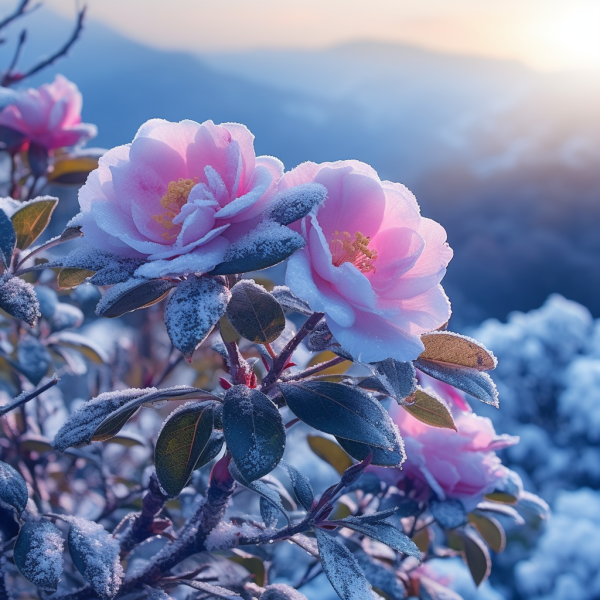
Camellia: These plants are an excellent winter food source for bees due to their abundant winter flowering, providing a sustained supply of nectar and pollen when other plants are dormant. In addition, their dense foliage offers shelter and protection to pollinators during the colder months.
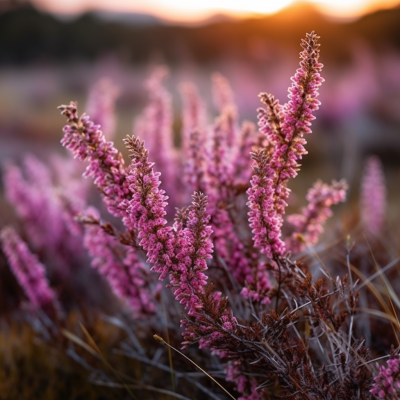
Erica (Heather): With their vibrant hues of pink and white, Ericas provides a valuable source of nectar when few other plants are in bloom. They can attract various species of bees and offer them sustenance during the coldest months.
Hellebore (Winter Rose): This long flowering winter staple is not often thought of as a food source for bees. While they may not be as showy as the above two plants, they are just as effective for bees and other beneficial insects. They begin flowering in June, and will continue to flower through until September, offering vital support to the survival of bees during this critical time of the year.
Bird-Friendly Winter Plants
Birds, too, require sustenance during winter, particularly when natural food sources become scarce. By incorporating bird-friendly plants into our gardens, we can help support our feathered friends. Here are a few examples of plants that provide food and shelter for birds during winter:
Virginia Creeper (Parthenocissus quinquefolia): While Virginia creeper is primarily valued for its vibrant autumn foliage, it also produces small dark berries that persist into the winter months. These berries serve as a food source for various bird species, including thrushes, sparrows, and swallows.
Crabapple (Malus): Crabapple trees retain their fruits throughout winter, offering nourishment to a wide range of birds. Their small, colorful fruits attract species such as swallows, thrushes, sparrows as well as natives like tui, bell-birds, and silver-eyes.
Wintersweet (Chimonanthus praecox): This deciduous shrub has fallen out of favour with gardeners over the last decade or so, however it still plays a vital role in the habitat for wildlife. Their flowers are a rich source of nectar, and their dense branching and foliage offer shelter and potential nesting sites. Wintersweet is ready for a resurgence and will make a statement in any winter garden.
The Importance of Creating a Protective Habitat
Providing plants that offer sustenance to bees and birds during winter goes beyond simply ensuring their survival. It plays a crucial role in creating a protective habitat for wildlife. Here's why:
Nourishment and Energy: Winter is a challenging time for wildlife, as food sources become limited. By planting bee and bird-friendly species, we help these creatures access the vital nutrients they need to sustain themselves and conserve energy for the colder months.
Shelter and Safety: Many of the plants mentioned above not only provide food but also offer shelter and protection. Evergreen shrubs like Camellias and Ericas create dense cover for birds to seek refuge from harsh weather conditions and potential predators.
Biodiversity Preservation: By creating a winter habitat that caters to the needs of bees and birds, we contribute to biodiversity.
So next time you are walking around your garden, take a moment to check how many food sources you have for wildlife at this time of year. If everyone planted just one of these plants in their garden, our wildlife would have a significantly increased chance to thrive.
RELATED PRODUCTS
 Notify Me