Ligularia Looking Sad After Winter? Here's What to Do
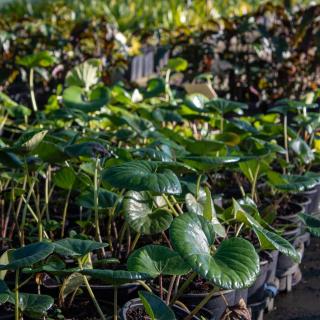
Ligularia Reniformis (tractor seat plant) is a lush, shade loving perennial prized for its bold, architectural foliage. It thrives under trees, along south facing walls and in sheltered woodland gardens.
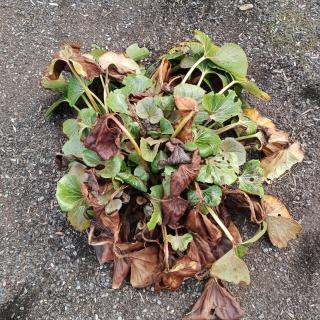
After a cold, wet winter, it can look miserable: collapsed leaves, blackened edges and mushy stems. This is normal when it's in its first season or two, or still waiting on surrounding plants to provide shelter.
The good news is that spring is the perfect time to reset and help it bounce back.
Why It Looks Sad After Winter
Ligularia reniformis can handle frost, but cold and wet conditions can still affect its appearance. Leaves often collapse or blacken and young plants can take a while to recover.
Here's what might be going on:
- Foliage collapse: Cold, wet weather causes leaves to rot or snap at the base.
- Slow wake up: Cool soils delay regrowth and it can take until mid October before new shoots appear, especially in colder regions.
- Rot risk: Mulch or debris around the crown can trap moisture and cause decay.
Even if the top looks rough, the root system is usually fine and just waiting for warmth.
How to Get Ligularia Back on Track
1. Remove All Damaged Leaves
Cut everything back to the base in mid September or early spring. Don't leave soft or broken foliage sitting in place, as it slows regrowth and encourages rot.
2. Clear Around the Crown
Rake back mulch, fallen leaces or weeds. The crown needs light and airflow to reshoot.
3. Improve Drainage if Needed
In soggy spots, fork in compost or gently lift the plant. Ligularia likes consistent moisture but not waterlogging.
4. Water Lightly, Then Deepen
Once new growth starts, water lightly two to three times a week in shaded beds. Increase only as temperatures rise and leaves expand.
5. Feed Once Growth Begins
When new leaves start to appear, usually in early to mid October, apply a slow release fertiliser or a light layer of compost around the base (not touching the crown). This supports steady recovery through spring and strong summer growth.
What to Expect Next
Fresh leaves usually appear within a few weeks once soils have warmed. In colder regions such as Canterbury, Otago and Southland, regrowth may not show until later in October or early November.

What Recovery Looks Like
New shoots will emerge from the crown, forming thick, shiny, rounded leaves that start small and quickly size up. By december, your Ligularia will be looking as it should.
Common Issues to Watch
- No new growth by early December: Check if the crown is firm. Soft or slimy tissue usually means rot.
- Yellowing in early summer: Often a sign of inconsistent watering.
- Slugs and snails: Protect young foliage during the spring flush.
The Takeaway
Ligularia reniformis often looks worse before it looks better in spring, but it's tougher than it seems. Cut back the damage, clean up the base and give it time. With warmth and steady care, it will bounce back fast. By summer, those glossy tractor seat leaves will be back in full form.

RELATED PRODUCTS