Winter Structure and Colour: Best Plants for NZ Gardens
Structure and colour: the plants that hold an NZ garden together in winter
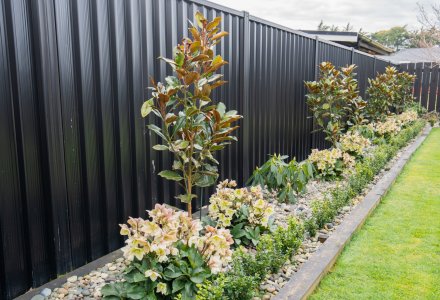
Your garden does not have to look bare in winter. The right evergreen plants give it structure, and a few give you winter flowers. Together they hold its shape and colour while the rest of the garden sleeps. These are the plants that do it.
Why a winter garden needs structure and colour
By June, a lot of NZ gardens go quiet. Deciduous trees drop their leaves, perennials die back, and the bare bones of the garden show through. The fix is not more of everything. It is two jobs done well: structure and colour.
Structure is the evergreen frame. It is the shrubs that keep their leaves and their shape through the cold months, so the garden still reads as a garden when little else is happening. Colour is the winter flower: the plants that choose this season to perform, in the shaded corners and at ground level where the gaps are most obvious.
Get both working together and winter stops being the season your garden disappears. The plants below are the ones we would reach for first. Each one earns its place, and each one suits a different spot. Right plant, right place.
Which plant for which spot?
For winter structure, choose evergreen shrubs that hold their shape: camellias, rhododendrons, and evergreen azaleas. For winter colour at ground level, choose helleborus and erica. The table below shows where each one fits.
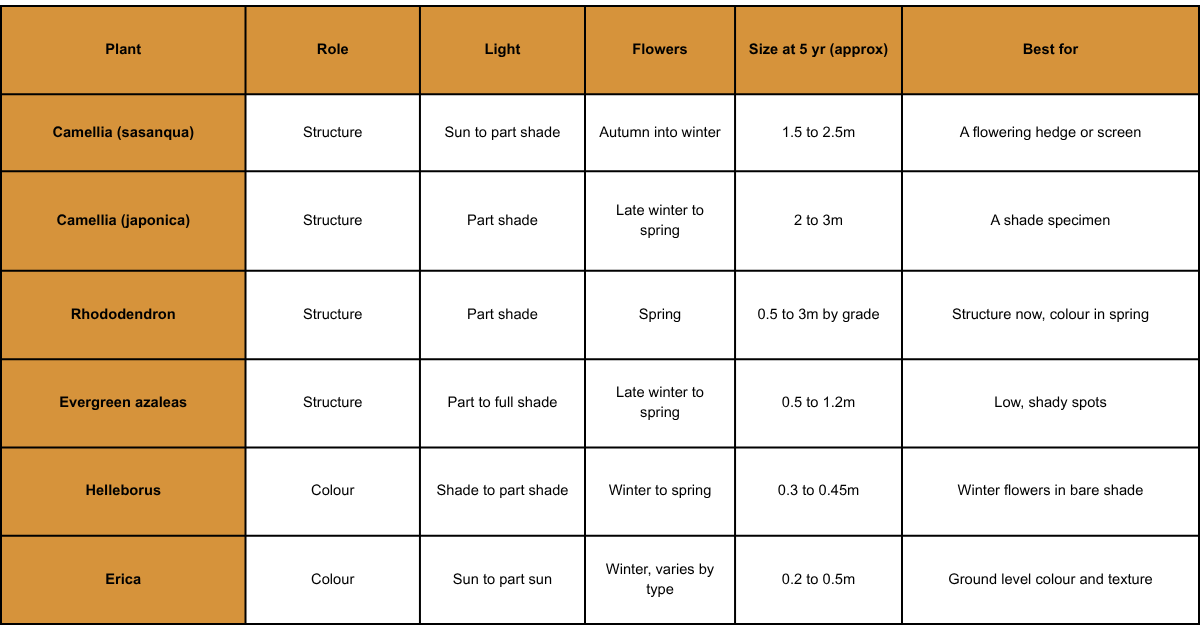
Sizes are a guide. Results may vary by region, site exposure, soil, and starting grade.
The structure plants: your evergreen frame
These are the shrubs that keep the garden standing through winter. They hold their leaves, keep their shape, and most of them flower as well.
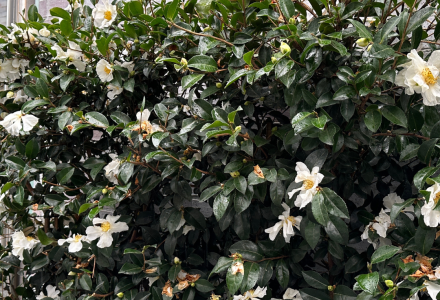
Camellias (Camellia japonica and Camellia sasanqua)
-
Mature size at 5 yr: 1.5 to 3m, trainable as a hedge or grown as a specimen
-
Spacing for hedging: 60 to 90cm apart, depending on how fast you want it to close
-
Best NZ regions: all three zones in the right spot. Northland to Auckland and Waikato to Nelson suit them well, and they handle Taupō to Canterbury to Southland with some shelter
-
Key strengths: dense evergreen foliage, glossy dark leaves, flowers in the cooler months, tough once settled
-
Maintenance level: low to moderate
-
Choosing between the two: sasanqua has a smaller leaf, takes more sun and exposure, flowers from autumn into winter, and makes the better hedge. japonica has a larger leaf and flower, prefers part shade, flowers late winter into spring, and works better as a specimen.
-
Watch for: camellia petal blight, which browns the flowers in wet conditions. Clear fallen flowers to slow it.
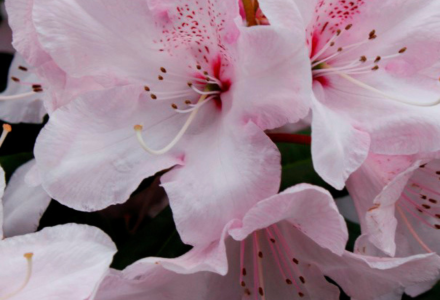
Rhododendrons (Rhododendron hybrids)
-
Mature size at 5 yr: anywhere from under 1m to 3m, depending on the variety and grade
-
Spacing: depends on the mature size of the variety you choose
-
Best NZ regions: at their best in cooler, higher-rainfall gardens, so Waikato to Nelson and Taupō to Canterbury to Southland suit them. They also grow well in Northland to Auckland in shade with shelter
-
Key strengths: evergreen structure now, then a strong flush of spring flowers, frost-hardy
-
Maintenance level: low to moderate
-
Why it works: rhododendrons come in a wide range of sizes, from low growers under a metre to large shrubs, sorted into small, medium, and larger grades. That lets you match the size to your spot rather than forcing a plant to fit.
-
Watch for: shallow roots, so plant at soil level and mulch. Shelter from hot afternoon sun and drying wind
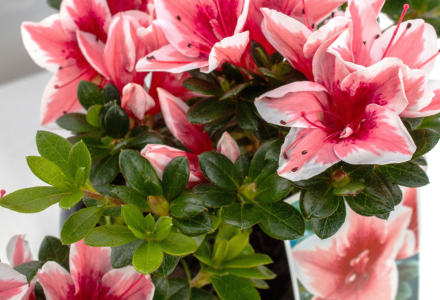
Evergreen azaleas (Rhododendron, evergreen types)
-
Mature size at 5 yr: 0.5 to 1.2m, low and mounding
-
Spacing: 40 to 60cm for a low, knitted-together planting
-
Best NZ regions: all three zones in shade and shelter
-
Key strengths: holds a low evergreen shape, flowers from late winter, copes with drier shade once established
-
Maintenance level: low
-
Why it works: the evergreen azalea keeps its leaves and its shape, unlike the deciduous azalea that drops its leaves over winter. That makes the evergreen type the one to choose for a shady spot you want to keep covered through the cold months
-
Watch for: azalea lace bug, which mottles and silvers the leaves. Check the underside of leaves in warmer months
The colour plants: winter flowers at ground level
These are the shrubs that keep the garden standing through winter. They hold their leaves, keep their shape, and most of them flower as well.
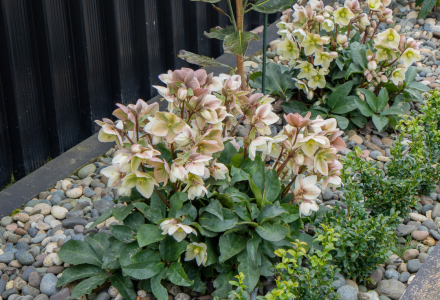
Helleborus (Helleborus, winter rose)
-
Mature size at 5 yr: 0.3 to 0.45m, clump-forming
-
Spacing: 30 to 40cm for a continuous run
-
Best NZ regions: all three zones, and especially good in cooler gardens and in shade everywhere
-
Key strengths: flowers from winter into spring, settles into dry shade under trees and shrubs, frost-hardy
-
Maintenance level: low
-
Why it works: when the bed is bare and the ground looks empty, the hellebore is coming into flower. It fills the shaded spots the structure plants leave open. Cut the old leaves off in late autumn so the flowers show and the foliage stays clean
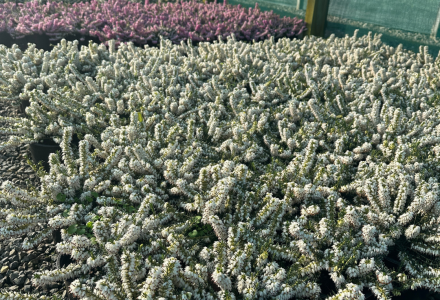
Erica (Erica, heath)
-
Mature size at 5 yr: 0.2 to 0.5m, low and spreading
-
Spacing: 30 to 40cm for ground cover
-
Best NZ regions: all three zones, good in exposed and coastal gardens and poorer soils
-
Key strengths: fine evergreen foliage for texture, low water once established, winter colour at ground level
-
Maintenance level: low
-
Why it works: erica gives you colour and texture right at the edges and between the larger plants, in the sunnier ground the hellebore would not enjoy. A light trim after flowering keeps it tidy
A quick note on the rest of the year. The structure plants are the constant. They hold the frame through every season, then step forward in winter when the garden thins out. Hellebores rest over the warmer months and return for the cold, which is exactly when you want them. So the winter garden is not a one season trick. It is the same frame, doing its quiet work all year and earning its keep in winter.
Putting them together: a layered winter bed
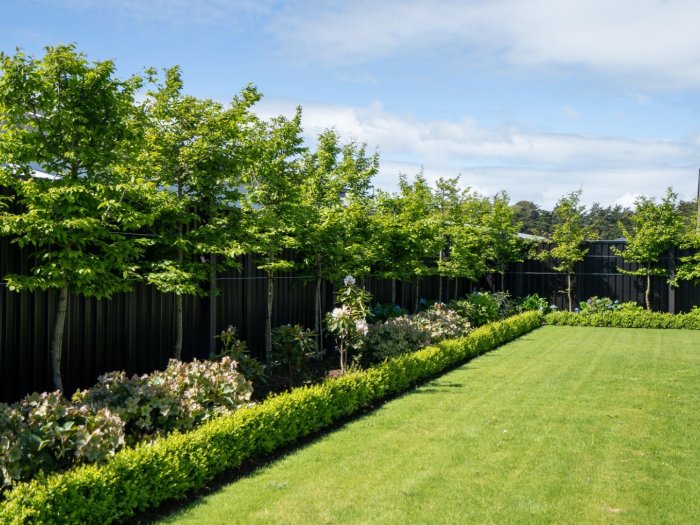
The plants work hardest when you layer them: a backbone, a middle, and a ground layer. This recipe fills a shaded to part shaded bed of about 5 square metres.
Pattern Recipe: a layered winter bed in 5 square metres
Use case: a shaded garden or part shaded bed along a fence or under existing trees, in an urban or suburban garden.
Three options
- Denser (faster cover, more formal): 1 camellia or rhododendron as the backbone, 5 evergreen azaleas through the middle, 8 hellebores and ericas across the front. Knits together within 2 to 3 seasons.
- Standard: 1 backbone shrub, 3 evergreen azaleas, 6 ground-layer plants.
- Looser (more space, each plant its own shape): 1 backbone shrub, 2 evergreen azaleas, 4 ground-layer plants. Slower to fill, more room for each plant to develop.
Pairs well with (optional, not counted above): a deciduous tree above for spring and autumn change, ferns for more shade texture, or a low grass for movement.
Microclimate adjustments
-
Coastal: lead with erica and sasanqua camellias, which take the exposure better
-
Wind corridor: add shelter, and favour the lower, tougher plants until it is established
-
Frost-prone inland: rhododendrons and hellebores handle the cold well, so weight the planting toward those
-
Poor drainage: raise the bed or improve the soil first. None of these plants like wet feet
Substitutions
-
If a rhododendron is too large for the spot, use a japonica camellia as the backbone instead
-
For a smaller bed, drop the backbone shrub and lead with evergreen azaleas
What flowers now, and what you plant now for spring
Some of these plants flower in winter, and one rewards you in spring. It helps to know which is which when you plan.
- Flowering now, through winter: helleborus, sasanqua camellias, evergreen azaleas from late winter, and erica
- Plant now for a spring payoff: rhododendrons. You get the evergreen structure straight away, then the flowers arrive in spring (September to November)
Winter is a good time to plant all of them. The soil is cool, the plants are not under heat stress, and the roots have time to settle before spring growth.
How to plant them well
Most of these plants want the same conditions: free draining, slightly acidic soil, shelter from harsh wind, and part shade. Get those right and the rest is straightforward.
- Pick the spot for the plant, not the plant for the spot. Match light and exposure to the table above
- Improve the soil with compost if it is heavy, and make sure it drains. None of these like sitting wet
- Plant at soil level, especially rhododendrons and azaleas, which are shallow rooted. Do not bury the base
- Water in well, then mulch to hold moisture and keep the roots cool
- Keep them watered through their first summer while the roots establish
Settling them in: the first few months
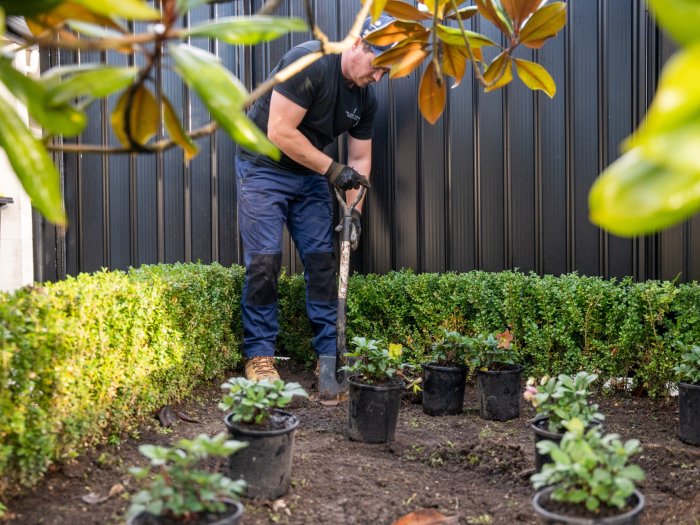
- First 2 weeks: water in well and keep the soil moist while the roots take hold
- Weeks 2 to 4: mulch, check moisture, and stake or shelter anything in a windy spot
- Month 2: roots are establishing. Keep the soil from drying out, and check drainage after rain
- Month 3 into spring: new growth begins. Feed in early spring with an acid loving plant food, and keep watering as the weather warms
We may delay dispatch during heat waves or frosts to protect plant health. We will keep you informed and offer timing or substitution options.
Common mistakes
- Planting shade lovers in full afternoon sun. Azaleas and hellebores scorch in it
- Heavy or wet soil with no drainage. These plants want free draining ground
- Planting rhododendrons too deep. Keep the base at soil level
- Letting plants dry out in their first summer before the roots are established
- Skipping shelter in a windy spot, which checks growth and burns foliage
- Leaving old hellebore leaves on, which hides the flowers and spreads leaf spotting
If your plant arrives damaged or not as expected, get in touch within 48 hours with a photo and your order number. We'll sort it. For ongoing growing questions, our team is happy to help.
Ready to start
-
Shop the structure and colour plants: browse our shrubs and hedging for camellias, rhododendrons, and azaleas, and our perennials for hellebores
-
See them in real gardens: use the Plant Locator Gallery to find a plant by the look you want
-
Have it planned for you: our garden design service matches the right plants to your site and lays out the bed for you
FAQs
What plants give a garden structure in winter? Evergreen shrubs that keep their leaves and their shape, such as camellias, rhododendrons, and evergreen azaleas. They hold the frame of the garden through the cold months, and most of them flower as well. Pair them with winter-flowering plants like hellebores for colour at ground level.
Camellia japonica or sasanqua: which should I choose? Choose sasanqua for a hedge or a sunnier, more exposed spot, as it has a smaller leaf and flowers from autumn into winter. Choose japonica for a shade specimen, as it has a larger leaf and flower and prefers part shade, flowering late winter into spring.
Will these plants handle frost in colder NZ regions? Yes, most of them suit cooler gardens. Rhododendrons and hellebores are particularly well suited to frosty inland and southern gardens. Camellias and azaleas also cope with frost in a sheltered spot. Results vary by region, site exposure, soil, and starting grade.
Why does my camellia drop brown flowers? The most common cause is camellia petal blight, a fungal problem that browns the flowers in wet conditions. Clear fallen flowers from under the plant to slow its spread, and avoid wetting the flowers when you water.
What size rhododendron should I buy? Match the grade to the spot. Rhododendrons come in small, medium, and larger grades, so a small grade suits a tight bed or a container, while a larger grade gives you more immediate structure. A larger grade costs more but fills the space sooner.
When is the best time to plant these? Winter is a good time to plant all of them. The soil is cool, the plants are not under heat stress, and the roots have time to settle before spring growth. Keep them watered through their first summer while they establish.
RELATED PRODUCTS
 Notify Me