Unravelling the Hydrangea Trimming Debate: Autumn's Farewell or Spring's Welcome?
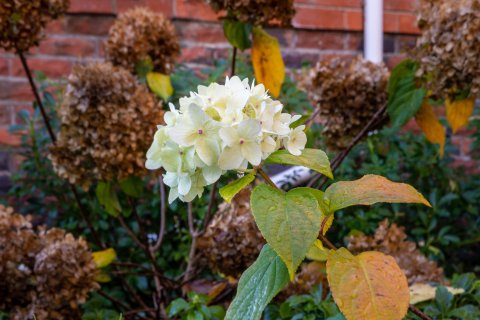
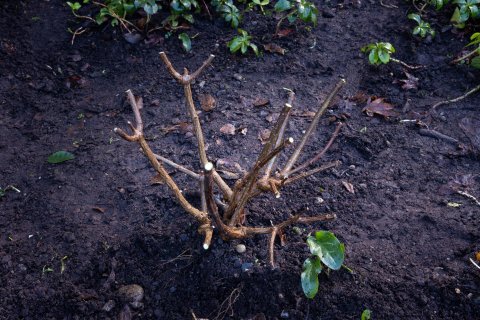
Unraveling the Hydrangea Trimming Debate: Autumn's Farewell or Spring's Welcome?
Hydrangeas, with their long flowering period and low maintenance requirements, are a staple of the Kiwi garden. These versatile flowering shrubs come in various forms, from the popular mophead and lacecap varieties to the elegant paniculatas. Among the many debates surrounding these plants, one question stands the test of time: When is the best time to trim your hydrangeas? Some argue for the end of autumn, while others advocate for the beginning of spring. Let's delve into the history of hydrangeas, explore their different varieties and finally, shed some light on this age-old debate.
The History of Hydrangeas
Hydrangeas have a rich history, with their origins dating back to ancient East Asia. Native to countries like China, Japan, and Korea, these flowering shrubs were introduced to the Western world in the 18th century. They quickly gained popularity due to their impressive annual display and adaptability to diverse climates. Over the centuries, gardeners have cultivated numerous varieties, resulting in the wide array of hydrangeas we enjoy today.
Different Varieties of Hydrangeas
-
Mophead Hydrangeas: Mophead hydrangeas (Hydrangea macrophylla) are known for their large, spherical flower heads composed of numerous individual flowers. These varieties often display shades of blue, pink, or white, influenced by soil pH levels.
-
Paniculata Hydrangeas: Paniculata hydrangeas (Hydrangea paniculata) are recognized for their elongated, cone-shaped flower clusters. They tend to bloom in late summer and autumn and offer an incredible range of colors, including white, cream, pink, and even deep red. These hydrangeas are highly adaptable and can withstand a wider range of climates compared to other varieties.
-
Lacecap Hydrangeas: Lacecap hydrangeas (Hydrangea macrophylla) feature delicate, flat clusters of small flowers surrounded by larger, showy petals. With their intricate lace-like appearance, they invite a second look. Similar to mophead hydrangeas, lacecap varieties also exhibit the ability to change color based on soil pH.
Trimming in Autumn
Autumn trimming is often recommended for hydrangeas that bloom on old wood, such as mophead and lacecap varieties. By pruning them after they finish flowering, typically in late summer or early autumn, you provide ample time for the shrub to produce new buds for the following year. This method allows the plant to enter dormancy naturally, ensuring a healthy growth cycle.
Trimming in Spring
On the other hand, spring trimming is favored for hydrangeas that bloom on new wood, like paniculatas. These varieties develop flower buds on the current season's growth, so pruning them in early spring, before new growth appears, allows for vigorous branching and robust flowering throughout the summer.
Conclusion
In the timeless debate surrounding the best time to trim hydrangeas, both autumn and spring hold valid arguments, depending on the variety you have in your garden. If you have mophead or lacecap hydrangeas, embracing the beauty of their fading blooms in autumn and pruning soon after ensures a promising display in the coming year. For paniculata hydrangeas, spring trimming sets the stage for a lush and vibrant summer growth.
Regardless of your preference, hydrangeas remain resilient and forgiving plants, often bouncing back from improper trimming. So, embrace the joy of gardening and experiment with different pruning times to discover what works best for your hydrangeas. Happy gardening!
RELATED PRODUCTS
 Notify Me