Taming Overgrown Topiary - Be Brave, Be Brutal
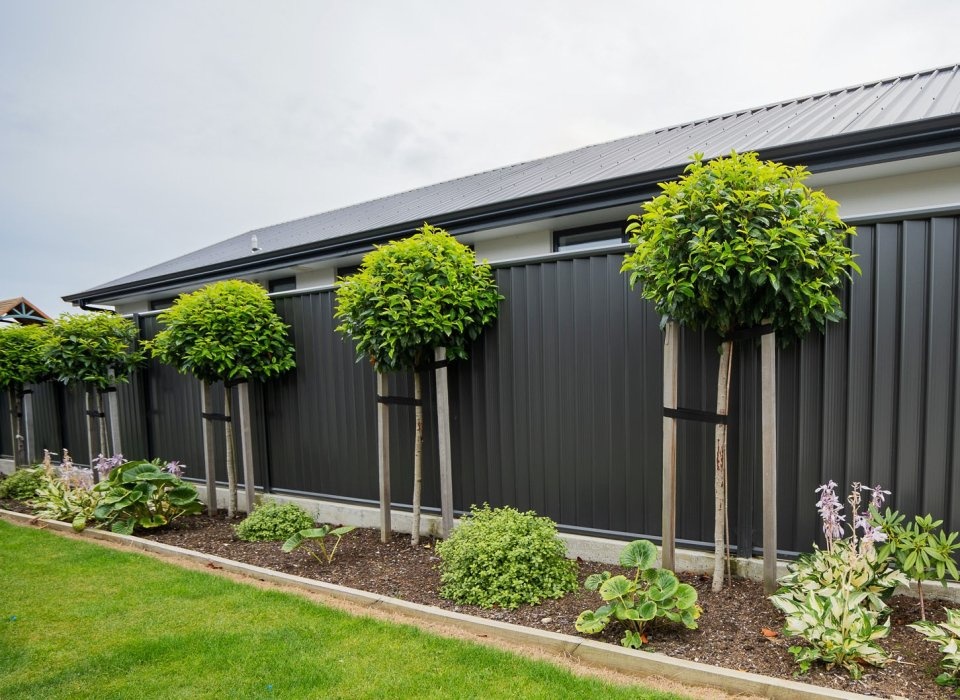
Taming Overgrown Topiary - Be Brave, Be Brutal
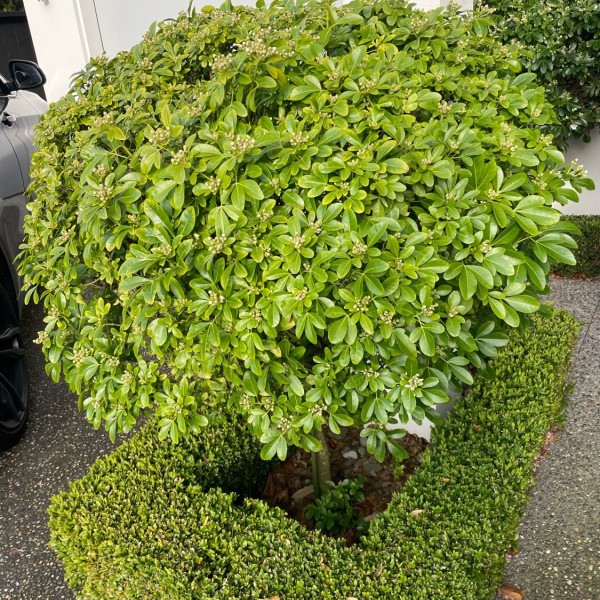
If your topiary is looking a little too big for its boots, it’s time to take control! Whether it’s Portuguese laurel or Choisya ternata, like the examples below, or another evergreen topiary, getting them back in shape can seem intimidating. But with the right approach, your plants will thrive. The key? Be brave, be brutal, and prune them back hard to give them a fresh start!
Why a Hard Prune is Essential for Overgrown Topiary
If you’ve been lightly trimming your topiary but still find it getting out of hand, it’s time to take a more drastic approach. Light trims won’t always encourage dense regrowth, especially if bare patches are forming. But here’s the thing: when you remove all the foliage, the plant gets busy producing new growth all over.
By stripping the plant back hard, you’re triggering it to regrow quickly. Plants like Portuguese laurel and Choisya ternata need their leaves to produce food from sunlight, so when all the foliage is removed, the plant responds by vigorously pushing out fresh growth in all directions. This method ensures a uniform, bushy result—just what you want for a topiary.
Timing is Key: When to Prune Your Topiary
Pruning at the right time is crucial for success, especially with evergreens. A basic rule of thumb is:
-
Evergreen topiary (like Portuguese laurel or Choisya): Prune between October and March, while the plant is in its active growing phase. This gives it plenty of time to recover and fill in before winter.
-
For flowering evergreens: The general rule is to prune after flowering so you don’t miss the blooms. However, with topiary, the focus is more on shape than flowers, so don’t be afraid to prune hard if it’s needed to get control back.
How to Prune Topiary for Best Results
With topiary, you need to be bold. A light trim won’t solve the issue of overgrowth, and if only part of the plant is pruned, the remaining leaves won’t push the plant to regrow where it’s needed most.
Here’s how to approach it:
-
Remove all foliage: Yes, you heard that right—cut all the foliage off. While this might seem extreme, it forces the plant to produce new growth evenly across the whole structure. Without leaves, the plant has to respond quickly to regain its ability to photosynthesize, which results in a burst of new, uniform growth.
-
Feed after pruning: After such a heavy prune, your plant will need some help to bounce back. Use a good all-purpose slow-release fertiliser to give it the nutrients it needs to grow strong and healthy.
-
Water well: Keep the plant well-watered during the regrowth phase. Even though evergreens like Portuguese laurel and Choisya are generally drought-tolerant, they’ll need extra water to help push out that new growth after such a big prune.
The Results: What to Expect
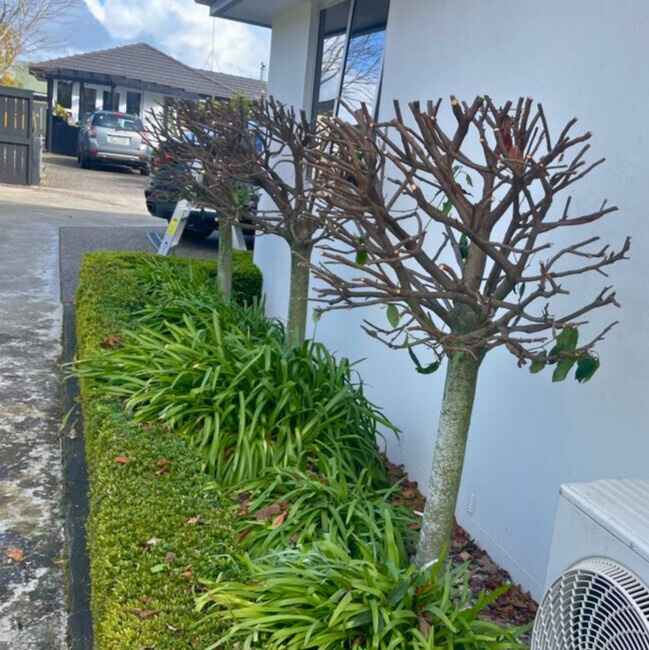
Don’t panic if your topiary looks bare right after the prune. You have to trust the process! By removing all foliage, you’re encouraging dense, healthy regrowth all over the plant. Within a few weeks, you’ll start to see new shoots appearing, and within a couple of months, your topiary will be back in shape—only better!
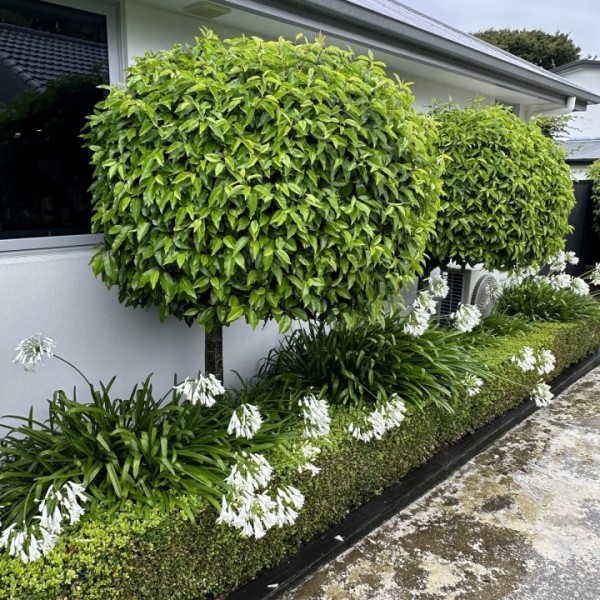
Before: The topiary may look overgrown, with uneven foliage and maybe even a few bare spots that aren’t filling in.
Right after pruning: It will look drastic—almost skeletal. But don’t worry, this is exactly what you want.
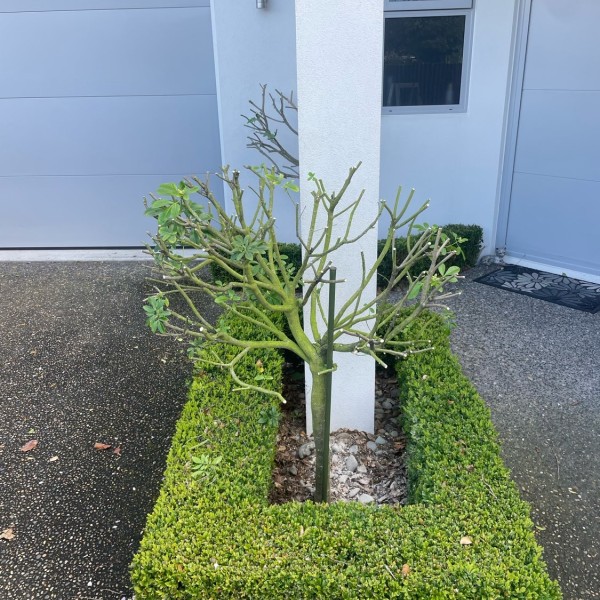
Regrowth phase: (We will be back with this soon) Within weeks, new growth will begin to emerge all over the plant, and by summer, you’ll have a dense, lush topiary back under control.
Trust the Process!
We know it can be hard to be brutal with a prune, but it’s the best thing you can do for an overgrown topiary. Be brave, snip hard, feed, and water, and before long, your plant will thank you by bouncing back stronger and more beautiful than ever.
We’ll be sharing the “after” photos of our own Portuguese laurel and Choisya topiary projects soon—so stay tuned to see the results! In the meantime, trust us, grab those shears, and give your topiary the hard cutback it needs.
RELATED PRODUCTS
 Notify Me