Nectarine Goldmine
 Notify Me
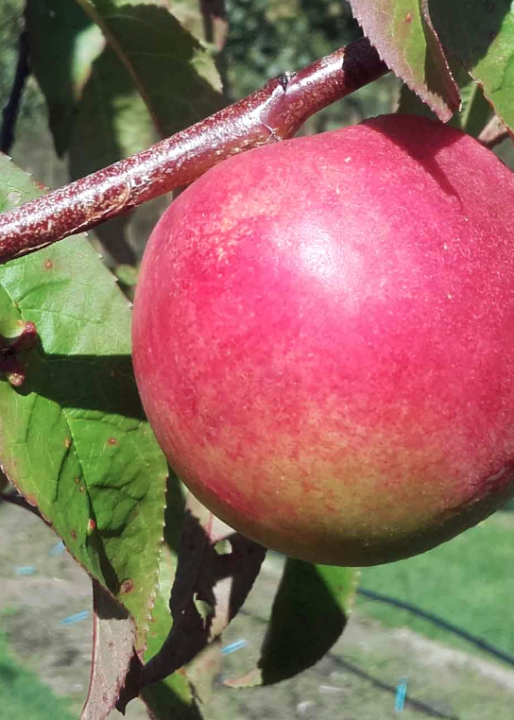
Nectarine Goldmine is a deciduous fruit tree celebrated for its sweet, juicy, and aromatic nectarines. This variety produces medium to large-sized fruits with smooth, golden-yellow skin and a succulent, yellow flesh that is perfect for fresh eating, baking, and preserving. The tree also features attractive pink flowers in spring, adding ornamental value to the garden.
Nectarine Goldmine is ideal for home orchards, kitchen gardens, and mixed borders. It thrives in full sun and prefers well-drained soil with moderate moisture. This variety is self-fertile, meaning it does not require a pollination partner, although having another nectarine or peach nearby can enhance fruit production. Regular watering, particularly during dry periods, and an annual feed with a balanced fertiliser will support healthy growth and abundant fruiting.
For optimal growth, plant Nectarine Goldmine with enough spacing to allow for its mature spread. At maturity, this tree typically reaches a height of about 4 to 5 metres with a similar spread. Its manageable size, combined with its delicious fruit and ornamental spring flowers, makes it an excellent choice for gardeners seeking both beauty and productivity in their plantings.
Trimming: Prune Nectarine 'Goldmine' in late winter or early spring before new growth starts. Focus on removing any dead, damaged, or crossing branches and thinning out the centre to improve air circulation. Summer pruning can help control size and shape.
Fertilising: Apply a balanced fertiliser in early spring just as new growth begins. A second application of fertiliser in late spring can promote better fruit development. Avoid over-fertilising, as this can lead to excessive leafy growth at the expense of fruit production.
Watering: Water regularly, especially during dry periods and when the fruit is developing. Deep, thorough watering once a week is ideal to keep the soil consistently moist but not waterlogged.
Pest Control: Monitor for common pests such as aphids, scale, and fruit borers. Use insecticidal soap, neem oil, or appropriate insecticides as needed. Consider using pheromone traps for borers and maintaining garden hygiene to reduce pest habitat.
Disease Management: Watch for signs of fungal diseases like peach leaf curl and powdery mildew. Peach leaf curl causes leaves to become distorted and discoloured; treat with a copper-based fungicide in late autumn and early spring before bud break. Powdery mildew appears as a white powdery coating on leaves; treat with a fungicide and improve air circulation around the tree. Regular pruning and proper spacing can help prevent disease by promoting good air flow.
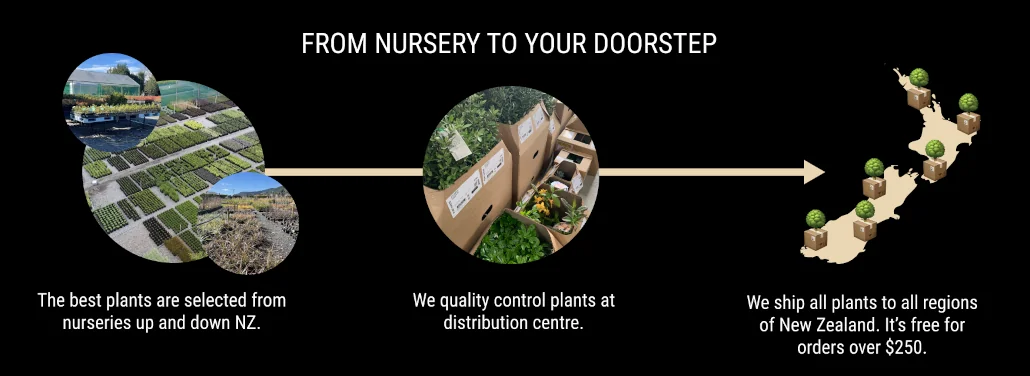
Enjoy complimentary delivery anywhere in mainland New Zealand when you purchase plants worth $250 or more*.
For orders below $250, the following flat-rate delivery charges are applicable:
- Urban delivery within mainland New Zealand: $19.95
- Rural delivery within mainland New Zealand: $39.95
- Waiheke, Chatham and Great Barrier Islands: Please contact us for shipping options.
We aim to have all orders shipped within 14 days from the order date, unless a different shipping date is specified alongside a product.