Citrus Mandarin Encore
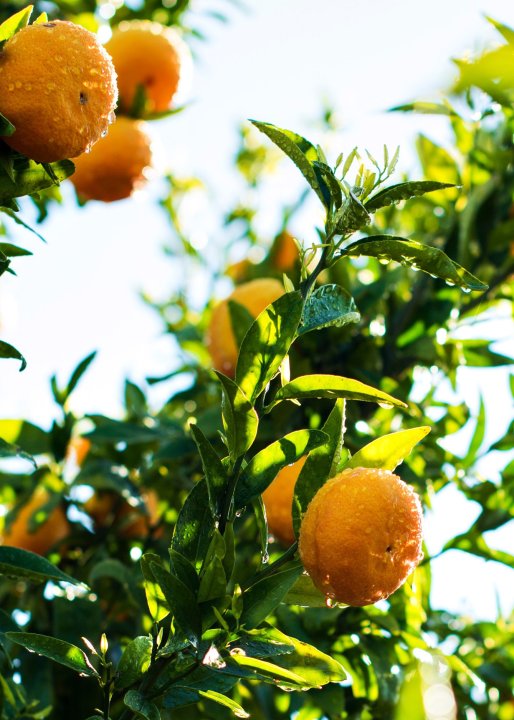
Citrus mandarin Encore is a late-season mandarin variety that produces small to medium-sized fruit with a bright orange, slightly pebbled skin. Known for its rich, tangy-sweet flavour, Encore mandarins are juicy and aromatic, with a tendency to develop a few seeds depending on pollination. The tree is notably vigorous and upright, bearing fruit well into late summer and sometimes into early autumn, extending the citrus harvest season.
Well-suited to home orchards, productive garden borders, or as a feature in Mediterranean or edible garden designs. Its extended fruiting period makes it a valuable addition for continuous citrus supply.
Plant in a full sun position with well-drained, fertile soil. Requires regular watering through the warmer months and protection from frost in cooler climates. Position in a sheltered site for best flowering and fruiting results. Space 3-4 metres apart for in-ground planting.
Grows to approximately 3-4 metres high and wide, developing into a dense, upright tree with lush foliage and a generous fruiting habit late in the season.
Trimming: Prune in late winter or early spring to shape and remove dead, damaged, or inward-growing branches. Avoid cutting into mature wood unnecessarily. Pinch out tips to encourage bushiness in young plants.
Fertilising: Feed with a citrus-specific fertiliser high in potassium from spring through late summer. Use a liquid feed fortnightly during active growth or a slow-release formula applied as directed. Reduce feeding in winter.
Watering: Keep soil evenly moist but not waterlogged. Water deeply when the top 2-3 cm of soil is dry. In containers, ensure excellent drainage and never let the pot sit in water. Increase watering during fruiting and hot spells.
Pest Control: Watch for scale insects, aphids, and citrus leaf miner, particularly in sheltered or indoor environments. Treat early with neem oil or insecticidal soap and remove heavily infested leaves if needed.
Disease Management: Root rot can develop in poorly drained soils—use free-draining compost and avoid overwatering. Sooty mould may develop on honeydew from sap-sucking pests; treat pests and wipe affected leaves. Yellowing leaves may indicate nutrient deficiencies, often iron or magnesium—adjust feeding accordingly.
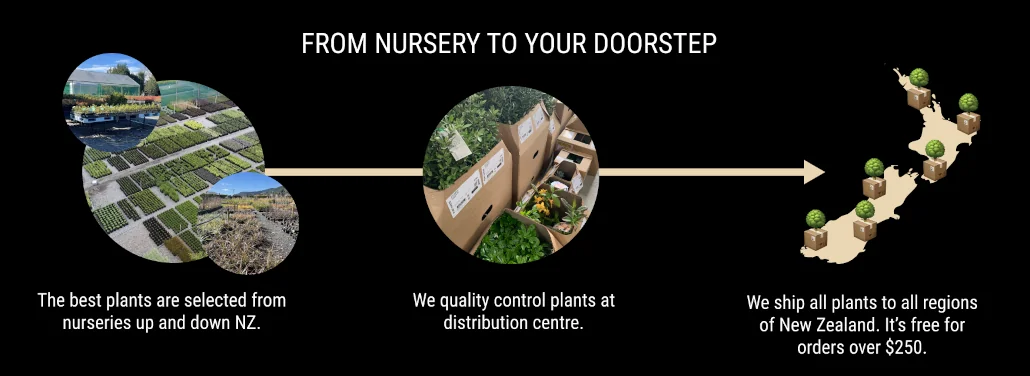
Enjoy complimentary delivery anywhere in mainland New Zealand when you purchase plants worth $250 or more*.
For orders below $250, the following flat-rate delivery charges are applicable:
- Urban delivery within mainland New Zealand: $19.95
- Rural delivery within mainland New Zealand: $39.95
- Waiheke, Chatham and Great Barrier Islands: Please contact us for shipping options.
We aim to have all orders shipped within 14 days from the order date, unless a different shipping date is specified alongside a product.