Citrus Mandarin Corsica #2
 Notify Me
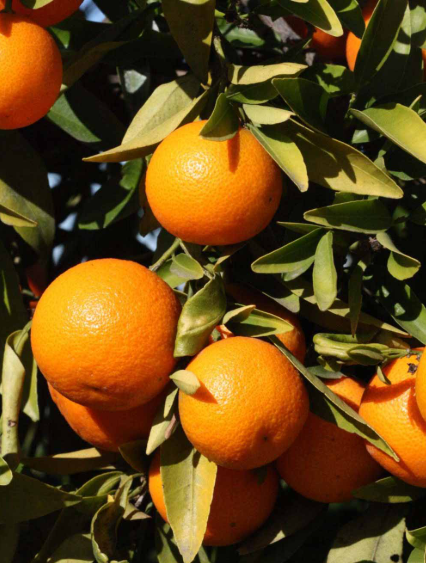
Citrus mandarin Corsica #2 is a premium early-season mandarin variety known for its excellent flavour balance—richly sweet with a refreshing acidity—and bright orange, finely textured skin. The fruit is medium-sized, easy to peel, and typically seedless when not cross-pollinated. Its attractive fruit and dense, glossy green foliage make it equally appealing as a productive tree and ornamental feature.
Ideal for edible gardens, Mediterranean-style layouts, or compact spaces where fruiting plants are both functional and decorative. Corsica #2 also performs well in large containers for patios and courtyards with good sun exposure.
Plant in a sunny, warm, and sheltered location with free-draining soil enriched with compost. Regular watering is essential during flowering and fruit set to ensure juicy, high-quality fruit. Protect from heavy frost in cooler regions. Allow 3-4 metres spacing when planted in open ground.
Reaches around 2.5 to 3.5 metres tall and wide at maturity, forming a tidy, rounded tree with consistent fruit production and ornamental appeal.
Trimming: Prune in late winter or early spring to shape and remove dead, damaged, or inward-growing branches. Avoid cutting into mature wood unnecessarily. Pinch out tips to encourage bushiness in young plants.
Fertilising: Feed with a citrus-specific fertiliser high in potassium from spring through late summer. Use a liquid feed fortnightly during active growth or a slow-release formula applied as directed. Reduce feeding in winter.
Watering: Keep soil evenly moist but not waterlogged. Water deeply when the top 2-3 cm of soil is dry. In containers, ensure excellent drainage and never let the pot sit in water. Increase watering during fruiting and hot spells.
Pest Control: Watch for scale insects, aphids, and citrus leaf miner, particularly in sheltered or indoor environments. Treat early with neem oil or insecticidal soap and remove heavily infested leaves if needed.
Disease Management: Root rot can develop in poorly drained soils—use free-draining compost and avoid overwatering. Sooty mould may develop on honeydew from sap-sucking pests; treat pests and wipe affected leaves. Yellowing leaves may indicate nutrient deficiencies, often iron or magnesium—adjust feeding accordingly.
Enjoy complimentary delivery anywhere in mainland New Zealand when you purchase plants worth $250 or more*.
For orders below $250, the following flat-rate delivery charges are applicable:
- Urban delivery within mainland New Zealand: $19.95
- Rural delivery within mainland New Zealand: $39.95
- Waiheke, Chatham and Great Barrier Islands: Please contact us for shipping options.
We aim to have all orders shipped within 14 days from the order date, unless a different shipping date is specified alongside a product.