Garden Design #92
 Click on the icon in the Garden Design below to reveal the plant name and its description. You can also add the plants to your shopping cart.
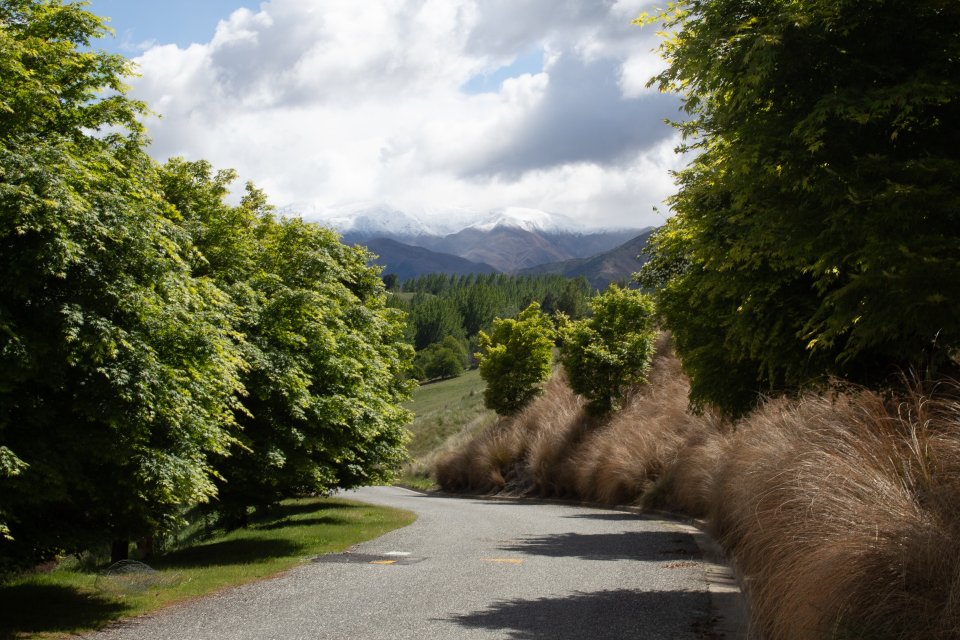
Acer palmatum, commonly known as the Japanese maple, is a versatile and highly ornamental deciduous tree, valued for its elegant, finely lobed foliage. The leaves emerge fresh green in Spring, deepen to lush green in Summer, and put on a dazzling display of gold, orange, and crimson in Autumn. Its natural, layered growth habit and delicate texture make it a timeless choice for a wide range of garden styles.
Perfect for Japanese-inspired landscapes, woodland settings, or as a focal point in mixed borders. Thrives in partial shade to full sun, provided it is sheltered from harsh winds and the hottest midday sun. Prefers well-drained, humus-rich soil with consistent moisture, but ensure the soil is not prone to waterlogging. Allow at least 3 - 4 metres spacing for this tree’s airy, spreading form.
Reaches a mature height of 4 - 6 metres with a similar spread, forming a rounded, graceful silhouette.
 Notify Me
Chionochloa rubra, commonly known as Red Tussock grass, is a distinctive tussock grass native to New Zealand. This perennial grass forms large, dense tussocks with long, narrow, red-tinged leaves that often roll inward, giving them a tubular appearance. Red Tussock typically reaches heights of about 1 metre but can grow taller in favourable conditions. From February to April, it produces attractive seedheads, enhancing its visual appeal. Thriving in damp and infertile soils, it performs well in full sun to partial shade and is adaptable to a range of soil conditions, from moist to wet. Its medium growth rate and evergreen foliage provide year-round interest, making it a resilient and low-maintenance choice for various garden styles.
Ideal for naturalistic and contemporary gardens, Chionochloa rubra adds texture and movement, especially in windy, exposed locations. It works well in mass plantings or as a buffer plant around wetland areas, helping to reestablish wildlife habitats. This grass plays a vital ecological role by providing shelter and nesting sites for native birds, preventing erosion with its extensive root systems, and regulating water flow in alpine catchments by trapping and storing snow. Its drought tolerance and adaptability to poor soils make it particularly suited to coastal and urban gardens, where it offers both aesthetic beauty and ecological benefits.