Making the Most of Fallen Leaves in Your Winter Garden: To Compost or Mulch?
Making the Most of Fallen Leaves in Your Winter Garden: To Compost or Mulch?
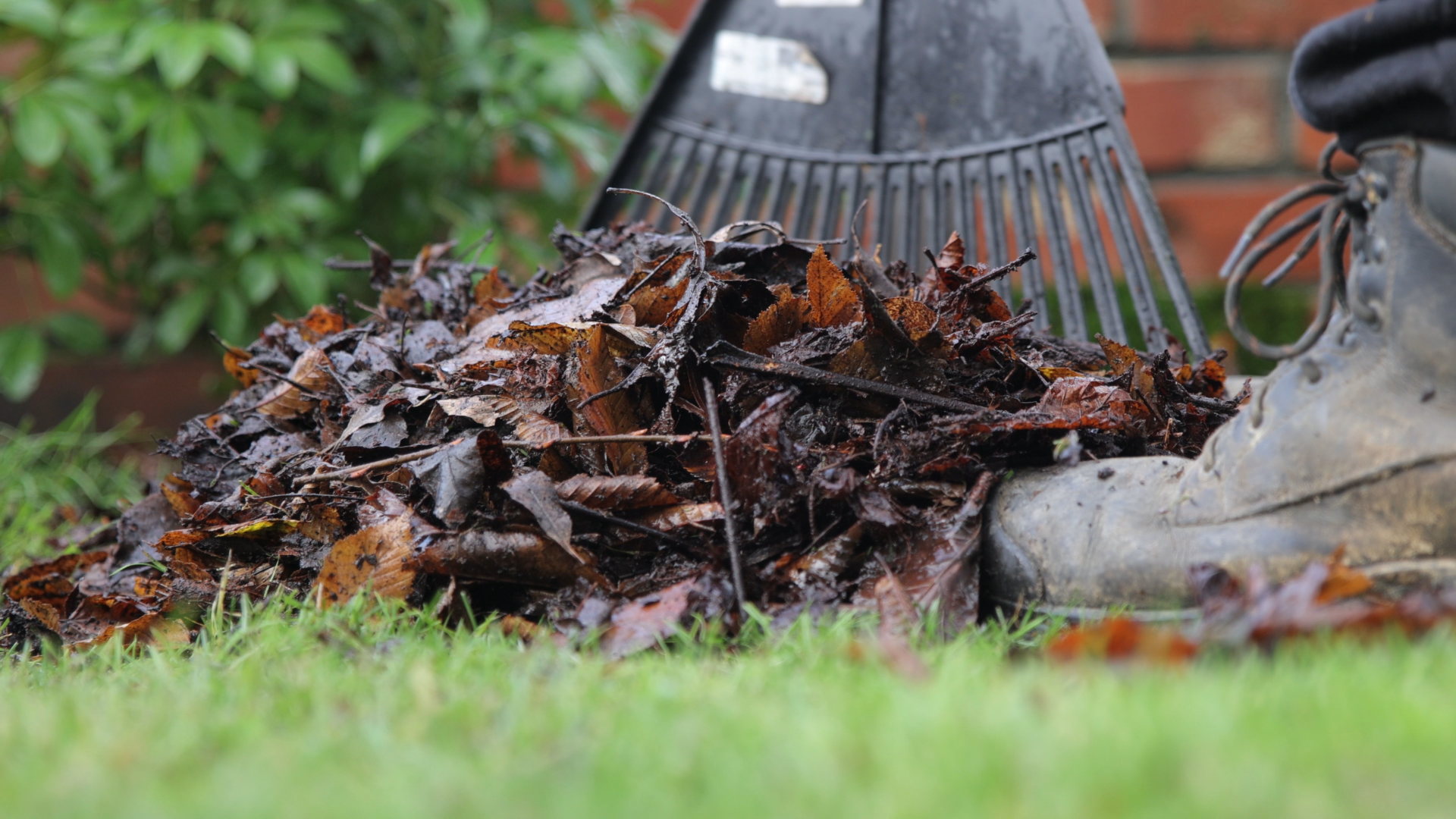
After the vibrant colours of autumn foliage have gone, we're left with a carpet of fallen leaves in our gardens. While the general instinct may be to rake them up and dispose of them, these fallen leaves are a valuable resource. They can be repurposed through composting or used as mulch to enhance soil health and protect plants during the colder months. There are benefits in both using leaves as mulch and composting them, but we prefer to add them to the compost - here's why:
Composting:
The best way to make use of those fallen leaves is to compost. Leaves have a carbon-rich composition so make an excellent addition to your home compost, improving the quality and nutrient levels at no cost to you, making an excellent growing media.
-
Leaves provide a rich soil amendment as they decompose, releasing essential nutrients such as nitrogen, phosphorus, and potassium which enriches the compost. You’ll then have a super nutrient-dense compost to be used to nourish your garden soil during the growing season.
-
Adding leaves can help to increase essential microbial activity as they create a valuable food source for microorganisms in the compost pile. These microorganisms break down the leaves, speeding up the decomposition process and creating a rich, dark compost that promotes healthy plant growth.
-
Environmental benefits: Composting leaves reduces the amount of waste sent to landfills - minimising greenhouse gas emissions. By incorporating fallen leaves into your composting routine and not sending them to the landfill, you're contributing to a more sustainable and eco-friendly garden.
Handy tip: It’s a great idea to break the leaves down slightly, to speed up the composting process. This can be done by simply running a mower with a catcher over them when they’re dry, and emptying straight into your compost pile.
Mulching:
Many gardeners like to use the leaves to mulch. Mulching involves spreading a layer of organic or inorganic material over the soil surface to conserve moisture, regulate soil temperature, and suppress weed growth. Mulching can be a great way to utilise the leaves in your garden, but be careful not spread them too thick as you can create the perfect environment for diseases, pests, and mold to develop.
-
A layer of leaf mulch acts as an insulating blanket, protecting plant roots from extreme temperature fluctuations. It helps regulate soil temperature, preventing frost heaving and keeping the soil at a more stable temperature, which is beneficial for overwintering plants.
-
Leaf mulch also serves as a natural weed suppressor, inhibiting the growth of unwanted plants and reducing the need for as much weeding. This allows your garden to remain tidy and reduces competition for nutrients among desirable plants.
If you do choose to use the leaves for mulching, it’s best to break the leaves down slightly before using them as mulch to ensure that air and water can flow through, preventing an environment for pests and diseases to build up. However, be aware there is a risk of leaf mold forming when mulching.
When it comes to deciding whether to compost or mulch fallen leaves in your winter garden, both options offer valuable benefits. Composting provides nutrients for your garden soil, contributing to long-term soil health and fertility. On the other hand, mulching with fallen leaves offers insulation, protecting your plants during the colder months.
I think fallen leaves should not be considered as a seasonal inconvenience but rather a great resource that can be used to enhance your garden's health. So, the next time you see those autumn leaves carpeting your beds and borders, embrace the opportunity to improve your soil!