A Low Maintenance Shade Combo
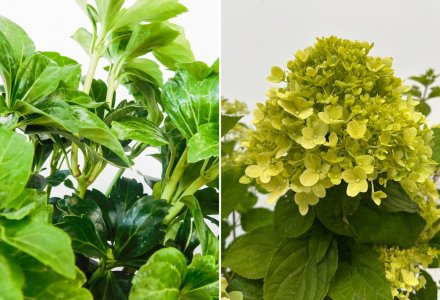
Hydrangea Limelight and Pachysandra are a smart, timeless pairing for shade to partial shade, especially when you want a garden to feel finished without having to overthink the planting. Together, they create a layered look that feels calm and intentional, with strong structure through the seasons and a base layer that stays neat and evergreen.
This combination works beautifully in the kind of tricky spots that often get left behind, the south side of the house, the shaded side of a fence, sheltered corners, or areas with dappled light. Instead of fighting the conditions, these plants settle into them, giving you a scheme that looks considered but it still easy to live with.

The Individual Roles Within the Planting
Each plant has a clear job, which is what makes the pairing so reliable.
Hydrangea Limelight provides the height and focal points. It creates a strong framework in the garden and brings seasonal interest that builds as the year progresses. Even in shadier areas, it adds presence and a sense of scale, helping smaller garden beds feel more complete.
Pachysandra sits beneath as the supporting layer. It forms a dense, evergreen carpet that makes everything look cleaner and more resolved. As it fills in, it helps supress weeds and supports soil moisture, which is especially helpful in sheltered shade where the ground can dry out more than expected.
When planted together, you get a balanced mix of structure above and coverage below, so the garden feels layered rather than flat.
Creating a Calm, Intentional Look in Shade
Shade planting often fails when it feels random, a few plants dropped into a dark corner with gaps that never quite close. This combination avoids that by creating a clear rhythm. The hydrangeas anchor the bed and draw the eye, while the pachysandra links everything together, softening bare soil and creating continuity.
Because pachysandra stays low and dense, it also helps the hydrangeas look more deliberate, almost like they have been underplanted by design, which is exactly the effect you want when you are trying to make a shaded area feel cared for rather than overlooked.
Used along the shaded side of a path or fence line, this pairing can tidy up a boundary quickly. In a sheltered corner, it turns what can feel like dead space into a garden feature that holds its shape and stays present year round.
Planting and Spacing for Strong Results
One of the biggest challenges with shade beds is spacing, either plants go in too far apart and the area stays patchy, or they go in too close and everything competes too early. A simple plan makes all the difference.
Hydrangea Limelight needs room to develop its shape, so it works best spaced evenly to create a repeating structure through the bed. Pachysandra is then planted as a base layer underneath and around the hydrangeas, forming a consistent groundcover that will knit together over time.
The goal is to let the hydrangeas remain the feature plants while the pachysandra does the quiet work of filling in, reducing weeds and keeping the bed looking cohesive.
A Low Maintenance Solution for Shaded Areas
This pairing is ideal if you want shade planting that does not require constant attention. Pachysandra reduces the amount of bare soil, which means fewer weeds and less watering once established. Hydrangeas provide the seasonal lift and garden presence that shade beds often miss, so you are not relying on foliage alone to make the space feel complete.
It is a practical approach to shade gardening, but the end result still feels generous and designed.
RELATED PRODUCTS