A Quick Guide to Fertiliser
A Quick Guide To Fertiliser
Introduction
Spring and early summer in New Zealand offer the perfect conditions for gardeners to focus on plant nutrition. Timing and application methods are crucial whether you're using synthetic or natural fertilisers. Our team at The Plant Store NZ has put together a list of Dos and Don'ts to keep in mind when fertilising your garden.
Types of Fertilisers: Synthetic vs. Natural
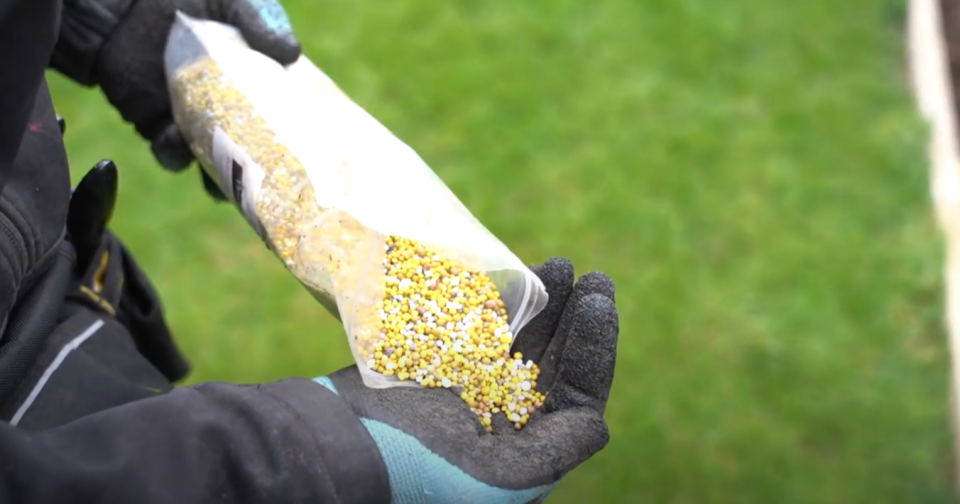
One of the first things to consider is picking the type of fertiliser you need. In New Zealand, you'll find both synthetic and natural fertilisers. Synthetics offer quick nutrient release and exact ratios of nutrients so any deficiencies can be solved easily. However, it can be easy to apply too much which can harm roots and the soil ecosystem. Natural options are eco-friendly and improve soil health but they take longer to act and can be more expensive. It is also difficult to know the nutrient ratios so deficiencies in the soil may not be fully addressed. Choose based on your garden's specific needs and your environmental concerns.
When to Fertilise
Spring is when gardens come alive, making it an ideal time for a balanced fertiliser. Early summer may require another round, especially for fruiting plants. A high-phosphorus or high-potassium fertiliser could be beneficial for these plants.
Long-lasting vs. Liquid Fertilisers
For trees and shrubs, long-lasting granular fertilisers are ideal. They release nutrients over time, suiting the slower growth of these plants. Liquid fertilisers offer quick nutrient absorption for fast-growing annuals and veggies like lettuce and tomatoes.
Dos of Fertilising
Proper fertilisation is essential for plant health and growth, but it's crucial to do it correctly to avoid potential harm. Always read the instructions on the fertiliser package and measure the amount accurately to prevent over-fertilisation. Apply the fertiliser around the drip line, which is the area under the outermost reach of a plant's branches, for optimal root absorption. Make sure to use the appropriate type of fertiliser for your specific plants and apply it during their growing season. If you're using granular fertilisers, keep them off the plant's foliage to prevent burns and ensure better root uptake. It's also advisable to water your plants thoroughly after fertilising to help dissolve the nutrients. Before you start, consider testing your soil to understand its nutrient levels and pH, which will help you choose the right type and amount of fertiliser. Whenever possible, opt for organic options as they are less likely to burn your plants and are generally better for the environment. Store fertilisers in a cool, dry place away from pets and children, and always check local regulations to ensure you're in compliance with any restrictions on fertiliser use.
Don'ts of Fertilising
It's crucial to be cautious when fertilising your plants to ensure their health and well-being. Over-fertilising should be avoided as it can lead to nutrient imbalances and harm both the plants and the soil's microbial life. Be particularly careful with plants that have strappy leaves, like flax; placing granular fertiliser in the middle of these plants can cause the granules to become trapped and lead to rot. It's also unwise to fertilise plants that are already thirsty; make sure to water them well the day before adding any fertiliser to ensure proper nutrient absorption. Fertilising during a plant's dormant season or using expired fertiliser can also lead to nutrient imbalances. Additionally, avoid fertilising on windy or rainy days, as the elements can scatter or wash away the fertiliser. Finally, always consider the environmental impact of your fertilising practices and adhere to local guidelines, opting for eco-friendly options when possible.
Final Thoughts
By understanding your plants' needs and the types of fertilisers available, you can ensure a lush, productive garden. Remember, the key is to fertilise wisely, not abundantly. Knowing where, when and how to put fertiliser in your garden can save you money, and time and boost the enjoyment of your garden whether it's purely aesthetic or provides tasty crops.
Check out our range of fertilisers to suit your needs at https://www.theplantstore.co.nz/products/fertiliser-products/
RELATED PRODUCTS