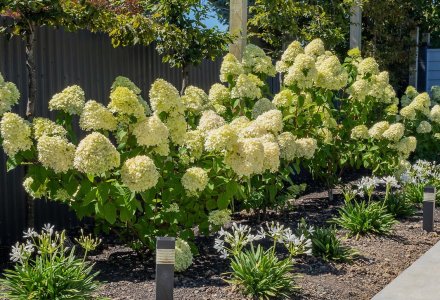
How to Deadhead and Prune Hydrangeas
Hydrangeas are one of those garden plants that give so much, but they can also make people hesitate. The flowers fade, the heads turn papery and suddenly the big question appears - do you cut them off, do you leave them and if you prune, how far back is too far.
The good news is that deadheading and pruning do not need to be complicated. Once you understand what you are trying to achieve, tidy shape, healthy growth and reliable flowering, it becomes a simple seasonal habit rather than a stressful decision.

Deadheading vs Pruning: What’s the Difference?
Deadheading is simply removing spent flowers. It is mainly about keeping the plant looking fresh and encouraging tidy new growth.
Pruning is shaping the plant and managing its size and structure. Depending on the type of hydrangea you have, pruning also affects flowering which is why the timing matters.
If you are unsure where to start, begin with deadheading. It is the easiest win and it instantly improves how the plant looks.
How to Deadhead Hydrangeas
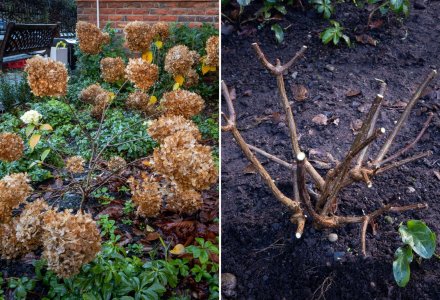
When hydrangea flower heads fade, they often hang on for a long time. Removing them is optional, but it can make the plant look cleaner and prevent heavy flower heads from dragging stems down.
A simple approach is to cut the spent flower back to the first set of strong buds or leaves beneath it. This keeps the plant neat without taking away too much potential growth.
If you are deadheading in cooler months, you may choose to leave some flower heads on for a little longer, especially if your garden is exposed. In warmer conditions, or when you want the plant to look crisp, you can tidy them sooner.
How to Prune Hydrangeas
A practical approach to pruning is to focus on what the plant does not need:
- dead or damaged stems
- weak, spindly growth
- crossing stems that clutter the centre
- older stems that are no longer performing, removed gradually over time
This helps improve airflow, keeps the shape balanced and supports stronger growth through the season.
If your hydrangea is getting too large, reduce height gradually rather than cutting everything hard back at once.