Hydrangea Hopaline
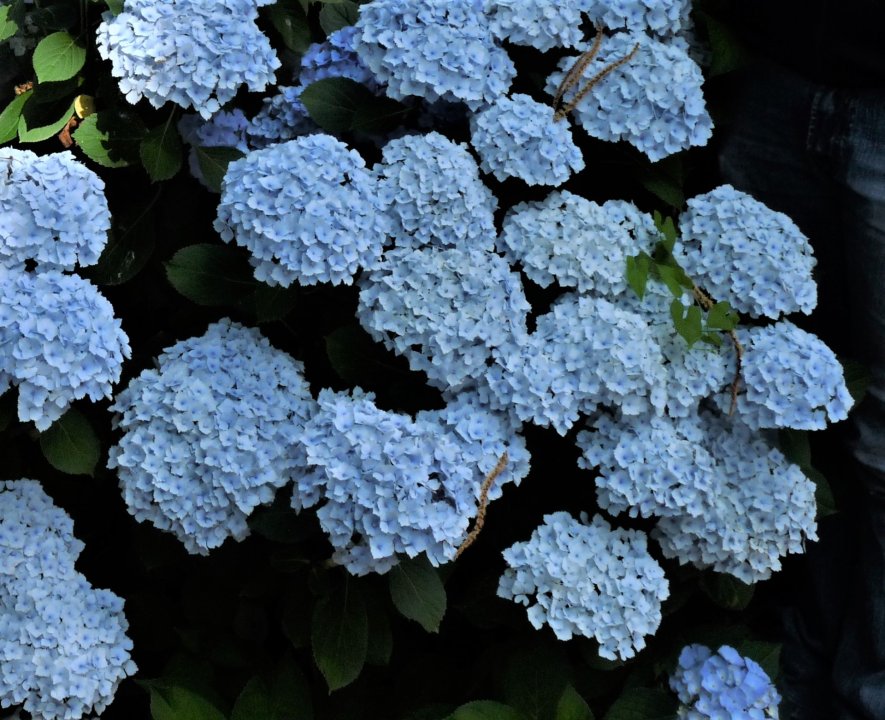
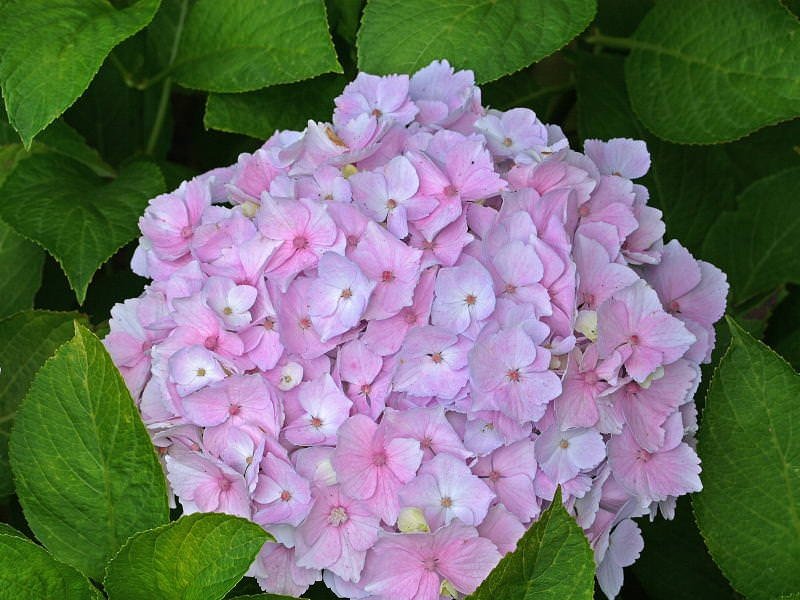
Hydrangea Hopaline is a compact deciduous shrub valued for its large, rounded flower heads that appear from early Summer through to Autumn. The flowers open in soft pink or blue tones depending on soil pH, creating a long-lasting display against lush green foliage. Its neat growth habit makes it an excellent choice for adding reliable seasonal colour to smaller gardens and mixed plantings.
Ideal for borders, cottage gardens, woodland gardens, shaded courtyards, containers, and as a feature planting.
Grows best in part shade with moist, well-drained, organically rich soil. Protect from harsh afternoon sun and keep soil consistently moist during dry periods. Space plants approximately 1–1.5 m apart.
Mature size: Reaches approximately 1–1.2 m tall and 1–1.2 m wide, forming a dense, rounded shrub.
Trimming: Prune in late winter or early spring by removing dead, damaged, or weak stems and lightly shaping the plant. As Hydrangea Hopaline flowers on old wood, avoid hard pruning, as this can reduce flowering for the coming season.
Deadheading: Remove spent flower heads after flowering if desired for a tidier appearance, cutting back to the first healthy pair of buds below the flower. Alternatively, leave the dried flower heads over winter to provide seasonal interest and some protection for developing buds.
Fertilising: Apply a balanced slow-release fertiliser formulated for flowering shrubs in early spring. Avoid excessive nitrogen, as this encourages leafy growth at the expense of flowering.
Watering: Water regularly during the establishment phase to keep the soil consistently moist but not waterlogged. Once established, water during extended dry periods, particularly in summer, as hydrangeas perform best with even soil moisture.
Pest control: Watch for aphids, spider mites, and scale insects, particularly during warm weather. Treat infestations with insecticidal soap or horticultural oil if required, and encourage beneficial insects to help keep pest numbers low.
Disease management: Monitor for powdery mildew, botrytis (grey mould), and leaf spot. Signs include white powdery growth, grey fuzzy mould on flowers or foliage, and dark spotting on leaves. Improve air circulation, avoid overhead watering where possible, remove affected plant material, and apply an appropriate fungicide if the problem persists.
Enjoy complimentary delivery anywhere in mainland New Zealand when you purchase plants worth $250 or more*.
For orders below $250, the following flat-rate delivery charges are applicable:
- Urban delivery within mainland New Zealand: $19.95
- Rural delivery within mainland New Zealand: $39.95
- Waiheke, Chatham and Great Barrier Islands: Please contact us for shipping options.
We aim to have all orders shipped within 14 days from the order date, unless a different shipping date is specified alongside a product.